AI can make the drafts.
You make the call.
MyEvolution trains thinking, judgment and decision-making — so you set the right task and back the call you make. 10 minutes a day.
Get your AI-Proof Score →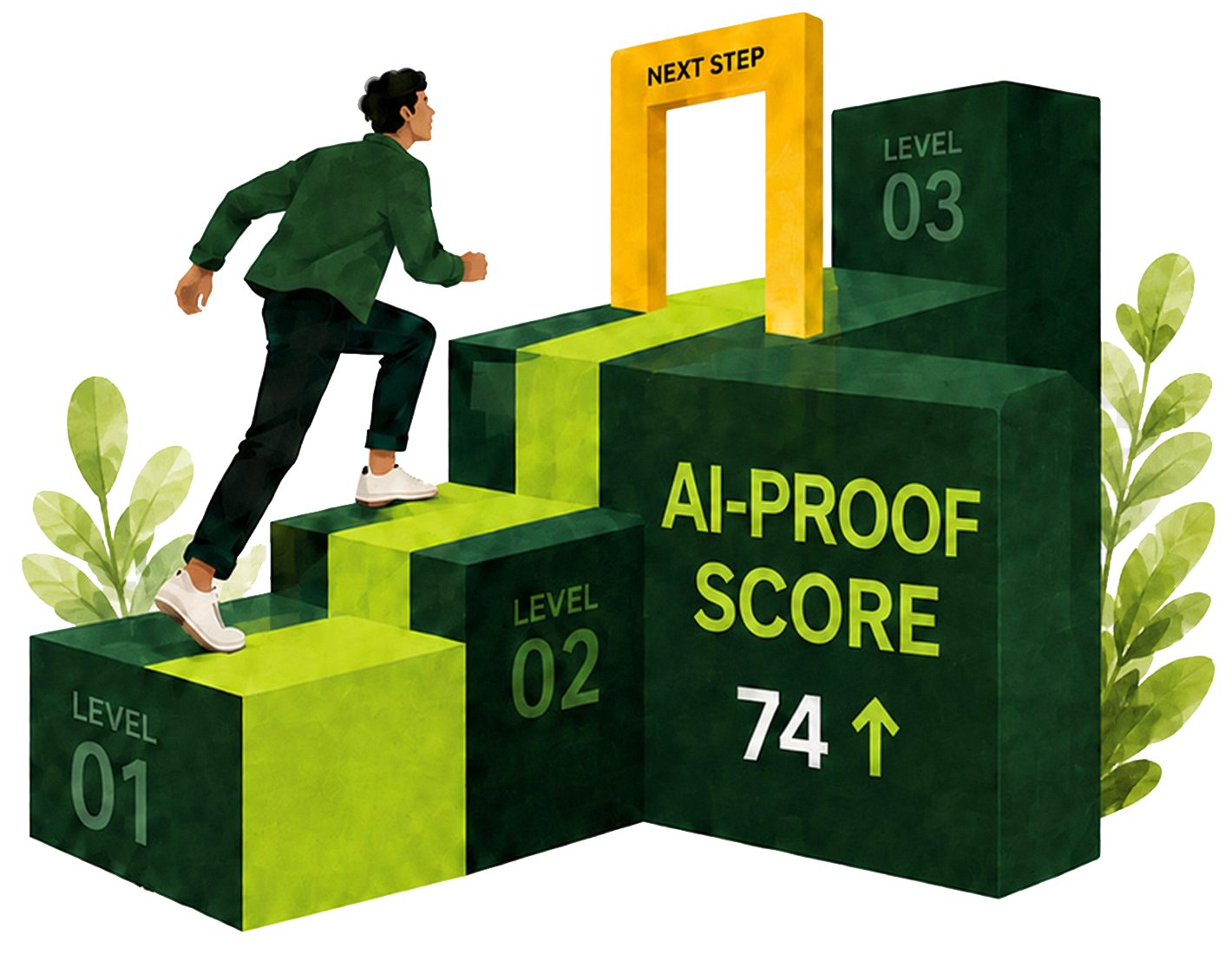
Everyone got the same AI. The work didn't get better on its own.
Same AI, but not the same person using it. What you ask for, what you trust, and what you put your name on — that part is yours.
have sent AI work they couldn't stand behind.
Glean, 2026AI makes whatever you ask. You decide what's worth making.
AI is fast and never gets tired. What it can't do is know what you're really after, or what good even means here. You decide that. You carry it.
What got cheap
What didn't
122 micro-skills. 10 minutes a day. On your phone.
MyEvolution is an app you open for 10 minutes a day. Each day you train one micro-skill — one short module. Then again the next day, and the next, until it's part of how you work. And you can see yourself level up: you grow, and your AI-Proof Score climbs.
How AI-proof are you?
Answer a few real work questions and get your AI-Proof Score — plus a breakdown that's all about you: your type, where AI is already showing up in your work, and what to sharpen first.
Don't read about better thinking. Do a rep.
Videos, articles, courses — you watch them, you nod, and a week later your real move at work is the same as it was. So we built the opposite: you train the skill for real, a few reps a day, the way you'd train anything else. That's the part that sticks.
You keep what you practice.
Make a move. See what you missed. Do it better. Again.
One rep takes a few minutes. And it's real enough to use at work that same afternoon.
Make a move
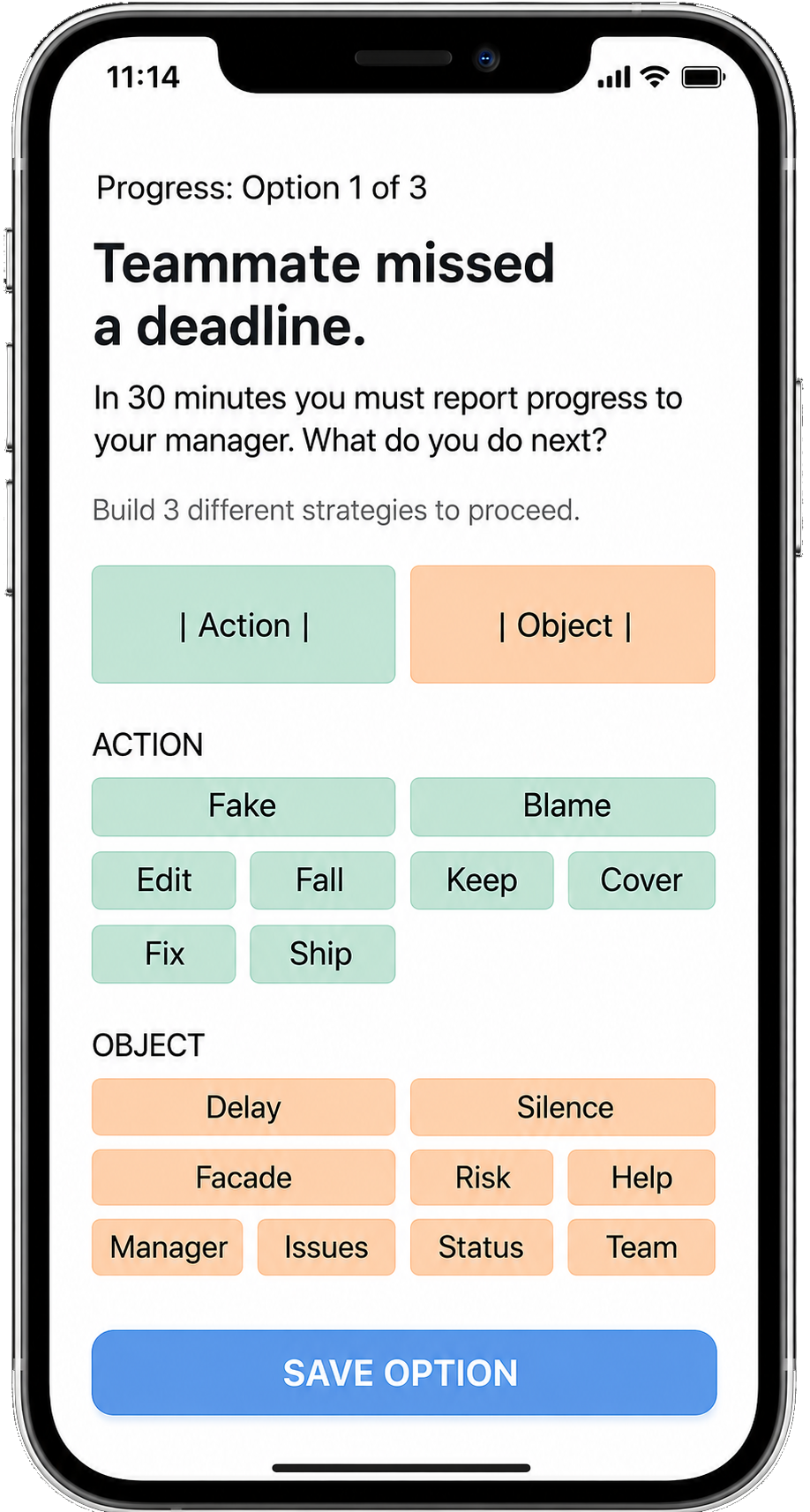
A real work moment lands. You make the call you'd actually make — no warm-up.
See what you missed
Your move comes back with the why: what you caught, and what you walked right past.
Do it better
Same moment, second go. This time the move holds.
Again, somewhere new
The same skill shows up in a different spot, until it's just how you work.
Sharp judgment looks like a gift. It's trained.
Decades of research show that thinking works like any other skill — it can be built. MyEvolution turns that research into a method: a daily training designed around how the mind actually learns to decide, built to land in real work.
AI isn't the bottleneck. Your people are.
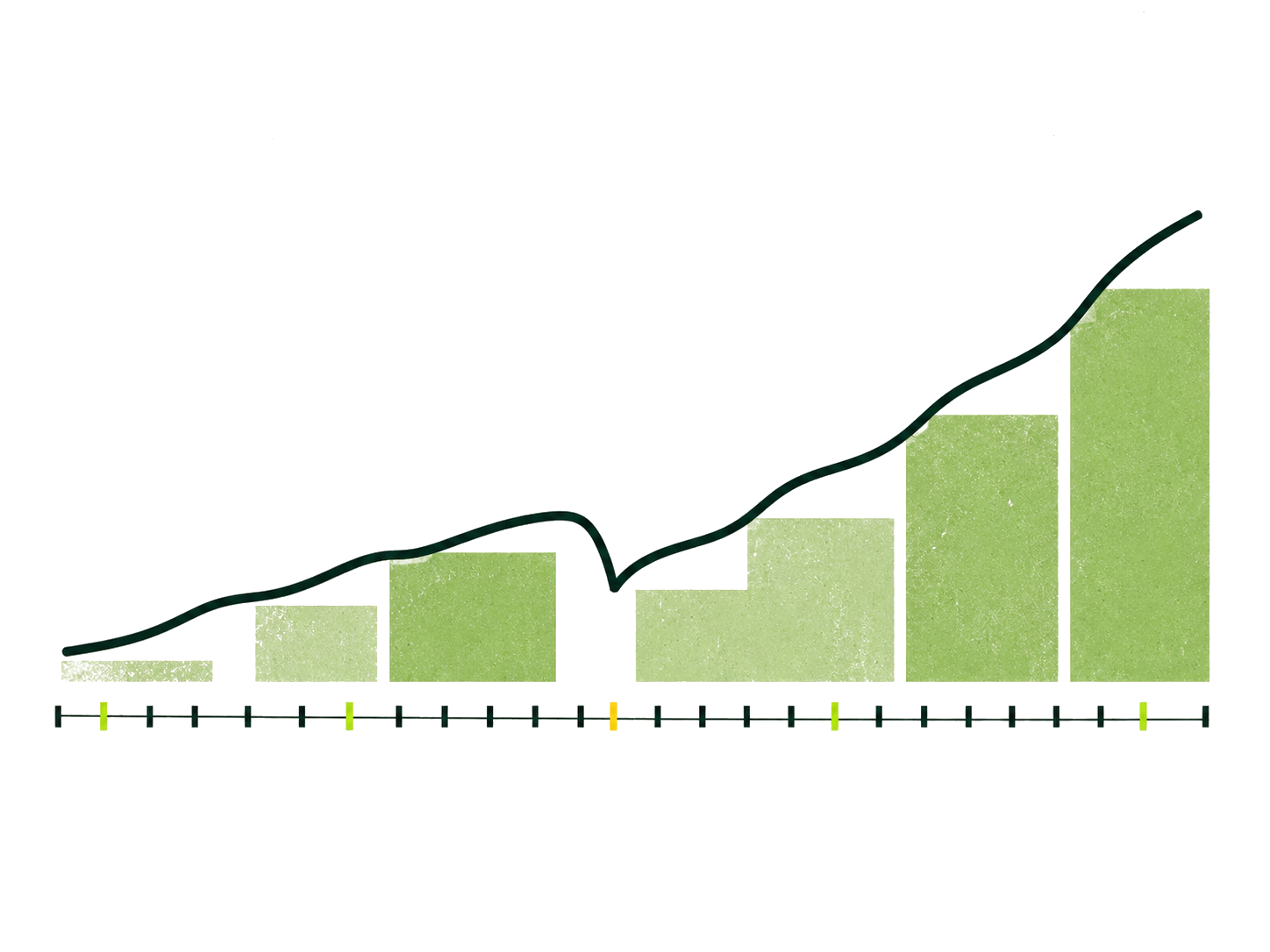
Better models, better tools, better prompts — none of it pays off if the people around the AI aren't sharper. That's the hard part to fix. That's the part we train.
MyEvolution for teams →of AI pilots show no return. The gap is people, not models.
MIT, 2025Straight answers.
Is this just more AI-panic marketing?+
Fair. The internet is drowning in "AI is coming for your job," and most of it just sells panic. We're not into that. AI made the easy parts of work cheap. We train the parts it can't do — deciding, checking, choosing, owning the call. That's the whole pitch.
Isn't this another "learn AI or you're done" product?+
No. That line — "learn AI or you're done" — is half true and all pressure. Tools are easy to pick up. The hard part is being the person who knows what to ask for, what to trust, and what to ship. We train that part, not the buttons.
Are you just selling fear?+
Selling fear is easy, and we'd rather not. You already feel the shift — you don't need us to remind you. What you don't have is something to actually do about it. That's the 10 minutes a day.
Will this actually keep me from being replaced by AI?+
Honestly? Nobody can promise that, and anyone who does is selling something. Here's what's real: the first people cut are the ones doing what AI now does for free. The ones who stay frame the work, catch the bad calls, and own the result. We train that. No guarantee — but we can make you a lot harder to hand off to a bot.
My job is already just checking AI's output. How is that different?+
Checking is half the job — the half you can see. It catches AI's bad answers. It misses the good ones you throw out because you couldn't tell they were good. We train both: when to trust it, when to push back. That's the gap between babysitting a bot and actually running one.
What can I actually do after this that I can't now?+
Spot what a task really needs before you hand it off. Tell a strong AI answer from a slick, wrong one. Make the call when there's no obvious right move — and explain it so people get on board. Small skills. Big difference in who gets trusted with the hard stuff.
I'm forced to use AI and then blamed for the result. Does this help with that?+
Yeah, that one's brutal — told to use it, blamed when it's wrong. The fix isn't using it less. It's getting sharp enough to set the task right, catch the weak answer before it ships, and say why. Then it's your call, not the machine's mess.
Can judgment and decision-making even be trained?+
Yes — the same way anything gets better: reps and feedback. A big part of judgment is just matching how sure you are to how right you are. That sharpens with practice. You make a call, see what you missed, make a better one. Do it enough and the better move becomes the automatic one.
Isn't good thinking just talent or experience you can't shortcut?+
Experience is just reps — situations you've hit enough times to handle on instinct. The catch: AI took a lot of those reps away, so people stop building the instinct. We hand the reps back, on purpose, 10 minutes at a time. Not a shortcut to genius. A faster way to build what experience used to give you.
I've done this job for 15 years. What's an app going to teach me?+
Probably nothing about your job — you've got that cold. What changed isn't your skill, it's the ground under it. AI rewards different moves now: framing, fast checking, owning the call through the noise. Even sharp people run old habits in a new game. We keep the habits sharp where it counts.
Is this an AI course?+
No. AI courses teach you the tool. We train the person using it — what to ask for, what to trust, what to reject, what to own. The tool's the easy part. You're the part that's hard to replace.
Is this prompt engineering?+
No. Prompt engineering is how you ask. We train what to ask for in the first place — and whether the answer coming back is any good. A great prompt on a bad call just gets you a bad result, faster.
How is this backed by science?+
The methods are. We build on how people are actually shown to learn — real situations, making the call yourself, feedback, spaced repetition, reframing, short resets. And we're straight about the line: the methods are research-backed. We don't claim lab-proven results for the app itself. That needs the app's own data, and we won't fake it.
What do I actually do inside the app each day?+
You open it for about 10 minutes. You get one real work moment — a deadline, a messy request, a call to make. You make your first move, see the pattern behind it, reset, and make a stronger one. Then you carry one check into your real workday. Next day, again.
How is this different from watching a course or reading?+
A course tells you what good thinking looks like. Here you do it. You make the call, get it wrong, see why, make a better one. Watching builds opinions. Reps build instinct. We're after the instinct.
Is my path the same as everyone's, or personal to me?+
It's built from your result. The quiz reads your role, your score and your weak spots, and that sets what you train first. Same app, different starting point — yours.
It's 10 minutes a day — can that really do anything?+
Ten minutes won't flip a switch — nothing does. But one sharp rep a day, on real situations, stacks up the way push-ups do. It's not about time in the app. It's about catching yourself in the moment that counts, over and over.
What does the score actually measure?+
How your work holds up around AI, across six things: Focus, Composure, Awareness, Thinking, Judgment and Influence. It's not an IQ test. It's a read on the moves that carry weight now — and which ones are your soft spots.
Is the quiz free, and what do I get at the end?+
Free, about 5 minutes. At the end: your AI-Proof Score, your type, where AI is already touching your work, and the first skill worth training. No catch.
Is there a version for my team?+
Yes. Same idea, built for groups — see where AI is creating more cleanup than it saves, and train the team on the calls behind better work. Start on the For Teams page.
How AI-proof are you?
5-minute quiz. Personal breakdown. Training path after your result.
Get your AI-Proof Score →